

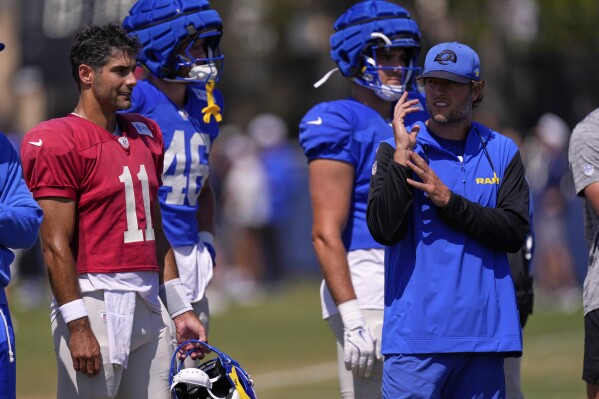
Matthew Stafford's injury history provides valuable case studies for athletes across sports, particularly those involving overhead motions. Key prevention strategies and lessons include:
Core Movement Optimization
Strengthen rotational stability through integrated core training, not isolated ab work. Focus on movements engaging obliques and deep stabilizers:
- Anti-Rotation Drills: Pallof press variations with progressive band tension
- Dynamic Rotational Control: Medicine ball throws in split stance with controlled deceleration
Kinetic Chain Integration
Address compensations driving joint overload. Stafford’s back/elbow injuries stemmed partially from hip/lat stiffness:
- Daily Mobility Non-Negotiables: Thoracic spine CARs, hip internal rotation drills, lat flossing
- Ground-Force Assessment: Video analysis of foot strike during deceleration phases
Sport-Specific Recovery Protocols
Implement regenerative techniques specific to throwing mechanics:
- Post-Throwing Arm Care: Contrast therapy (heat/ice immersion), blood flow restriction training (BFR) for low-load recovery
- Neural Flossing: Median/ulnar nerve glides pre/post activity
Torque Distribution Management
Redistribute rotational demands away from vulnerable segments:
- Lower Body Power Development: Single-leg deadlifts, lateral skater jumps to engage hips in rotation
- Throwing Deceleration Training: Eccentric wrist flexion/pronation with cable loads
Adaptive Workload Principles
Stafford’s late-career adjustments demonstrate critical load management:
- Dynamic Warm-Up Progression: Arm path activation drills before catch play
- Ramp-Down Throwing: Structured cooldown sequences reducing velocity/strain
- Daily Joint Symptom Logging: Track baseline swelling/stiffness metrics
Proactive identification of kinetic leaks and consistent tissue resilience training separate sustainable athletes from those battling chronic limitations. Implement these protocols preemptively, not reactively.