
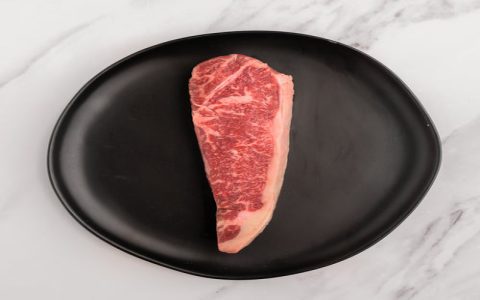
When choosing between fresh and frozen sirloin beef, the decision depends primarily on your usage timeline, budget, and storage capabilities. There's no absolute "better" option, only the best fit for your needs.
Fresh Sirloin Beef
Pros:
- Peak Texture & Mouthfeel: Ideal for immediate cooking (within 1-3 days), offering optimal tenderness and ideal texture when properly dry-aged or handled.
- Superior Browning Potential: Lower surface moisture compared to improperly thawed frozen beef allows for better Maillard reaction (searing/crust development).
- Convenience: Ready to cook immediately after purchase.
Cons:
- Short Shelf Life: Must be cooked quickly to prevent spoilage and quality degradation.
- Price Sensitivity: Generally carries a higher premium, especially for well-marbled cuts or those from premium programs.
- Availability Fluctuations: Consistent supply can be affected by seasonality and demand.
Frozen Sirloin Beef
Pros:
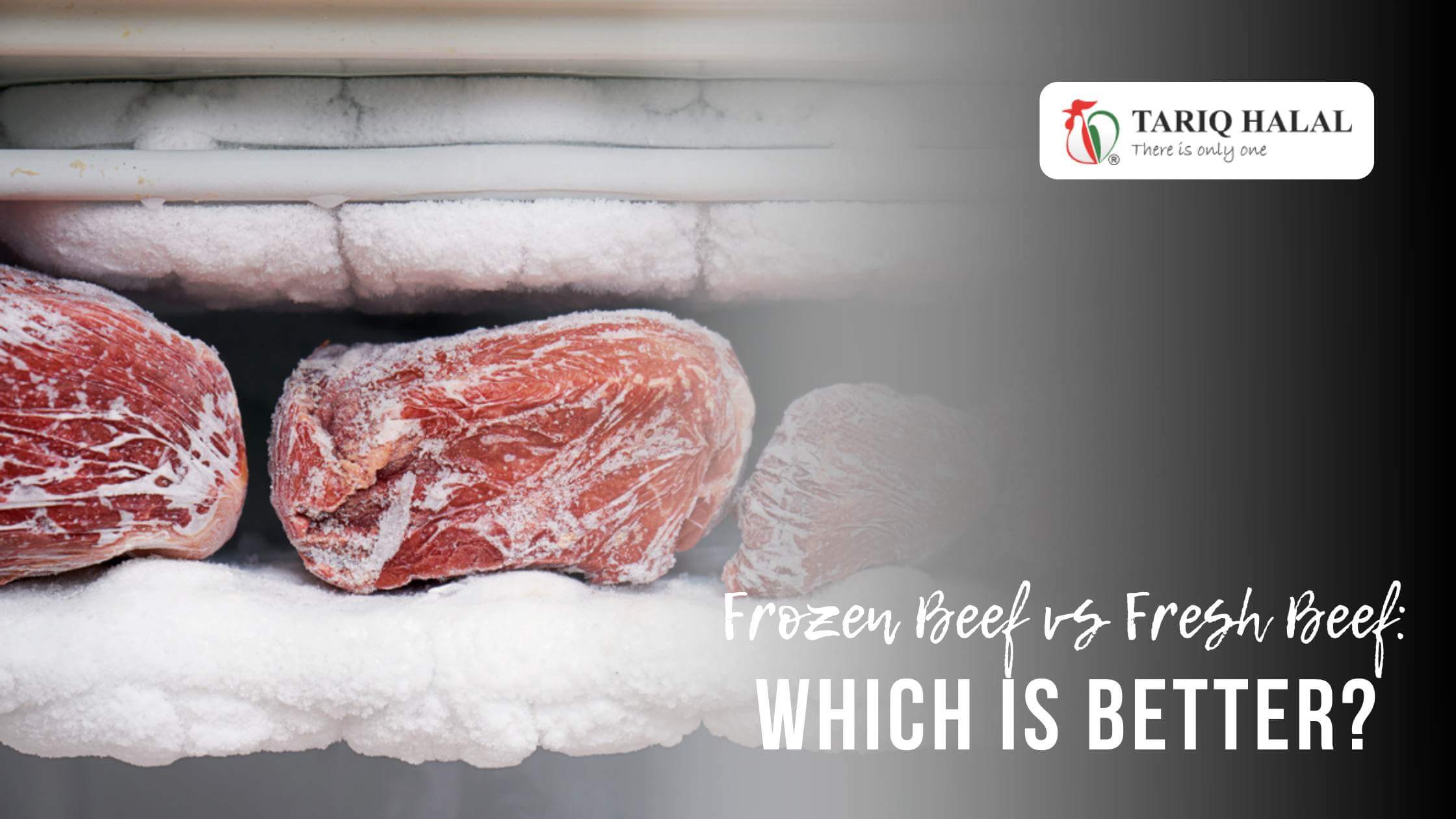
- Extended Shelf Life: Can be stored for months (-18°C or colder) without significant degradation in safety or nutritional value, reducing waste.
- Potential Cost Savings: Often less expensive per pound than fresh equivalents, particularly when buying bulk or during promotions.
- Year-Round Availability: Less affected by seasonal supply fluctuations.
Cons:
- Critical Thawing Process: Drip loss and texture degradation are primarily caused by improper thawing. Slow refrigerator thawing (24-48 hours) is essential. Rapid methods (microwave, warm water) damage texture and increase purge.
- Potential Moisture Loss: Even with perfect thawing, frozen beef may release slightly more moisture during cooking than its fresh counterpart.
- Storage Requirements: Requires reliable freezer space.
Key Considerations for Choice
- Cooking Timeline: Plan for immediate use? Choose Fresh. Need extended storage? Choose Frozen.
- Budget: Prioritize cost savings? Frozen usually wins. Willing to pay a premium for peak texture now? Choose Fresh.
- Storage Capacity: Ensure adequate freezer space for Frozen beef.
- Thawing Discipline: Only opt for Frozen if you can commit to safe, slow refrigerator thawing.
Important Notes:
- Quality Origin is Paramount: Both fresh and frozen start with sourcing high-quality beef. Poor quality meat won't improve with freshness or freezing.
- Freezing Technology Matters: High-quality freezing (fast blast freezing at -40°C or colder) minimizes ice crystal formation, reducing cell damage. Look for providers stating their freezing method.
- Negligible Nutritional Difference: Freezing preserves the core nutritional profile (protein, iron, B vitamins); differences are minimal.
Verdict: Choose fresh sirloin for cooking within 72 hours when texture and immediate searing potential are critical. Choose frozen sirloin for cost-effective, long-term storage, provided you can thaw it correctly in the refrigerator for 24-48 hours prior to cooking. Quality sourcing and handling are key for both.