

The Kim Duk-Koo Tragedy
The tragic boxing match refers to the WBA Lightweight Championship fight between Kim Duk-koo and Ray "Boom Boom" Mancini on November 13, 1982. This event at Caesars Palace in Las Vegas ended in a fatal brain injury for Kim, profoundly changing boxing safety standards worldwide.
Background of the Fighters
Kim Duk-koo, a South Korean contender, entered the bout as an underdog with a record of 17 wins and 1 loss. Mancini, the American titleholder, was defending his belt with immense public support. Pre-fight buildup emphasized Mancini's aggressive style against Kim's resilience, with both unaware of the impending disaster.
The Fateful Match
During the brutal 14-round fight, Mancini delivered multiple heavy blows to Kim's head. Despite fighting valiantly, Kim collapsed in the ring after a series of punches in the 14th round. Medical teams rushed him to the hospital, where he lapsed into a coma and died four days later due to acute brain injury.
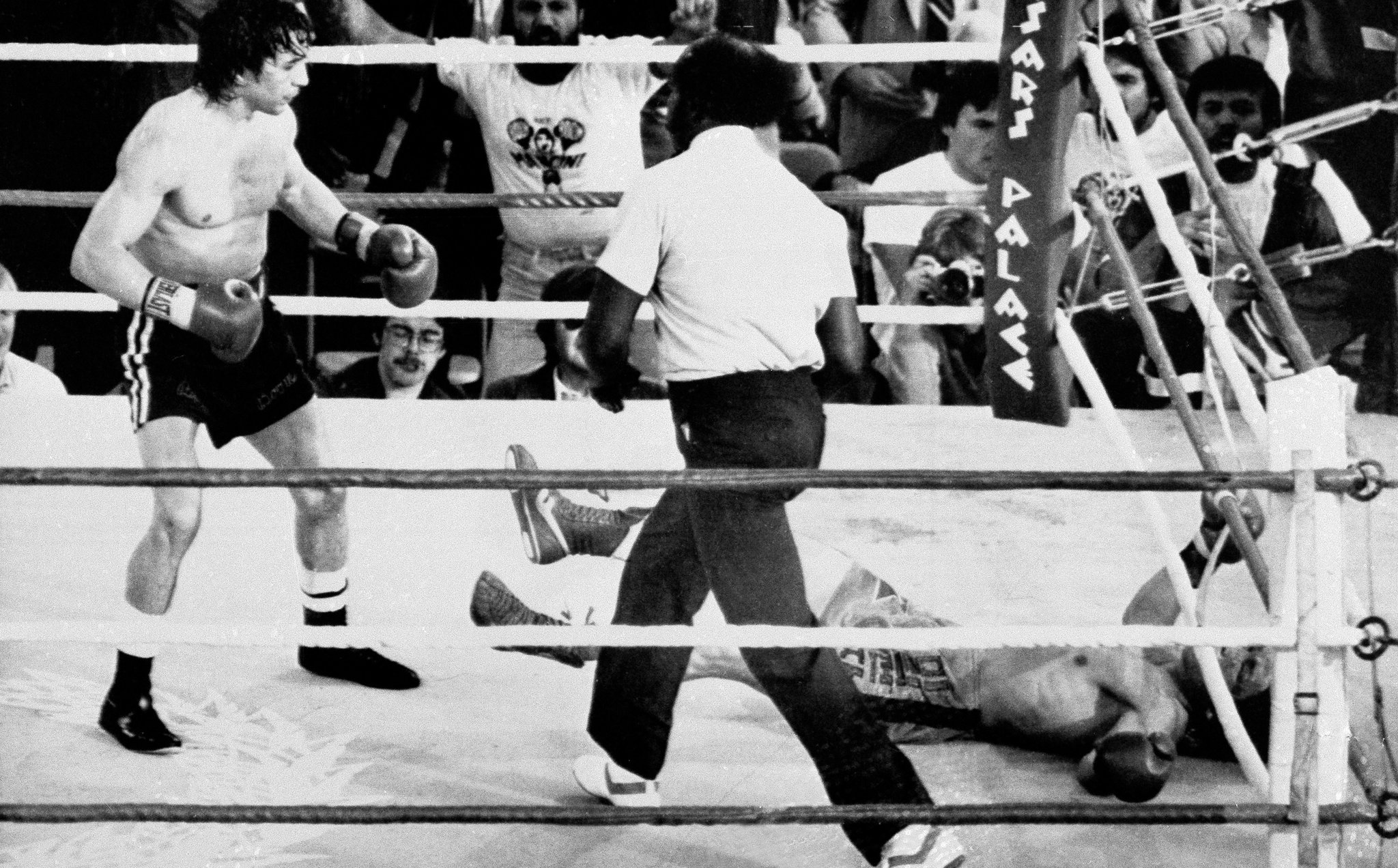
- Key factors: Intense pressure to extend the fight to 15 rounds per championship rules.
- Medical response: Insufficient on-site protocols delayed critical care.
Aftermath and Impact
Kim's death sparked widespread outrage and led to immediate reforms in professional boxing. Within months, major organizations like the WBA and WBC reduced championship fights from 15 to 12 rounds to minimize risk. Enhanced medical screenings, including mandatory pre-fight neurological exams, became standard. The tragedy also influenced rule changes in other combat sports.
Legacy and Lessons
This event remains a pivotal case study in sports safety, highlighting negligence issues in regulatory oversight. Kim's story continues to educate on the need for continuous innovation in protective gear and athlete welfare policies, underscoring boxing's inherent dangers.