
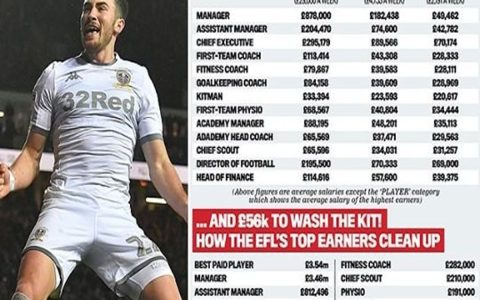
The salaries of coaches in the English Premier League are influenced by a dynamic interplay of performance-based, economic, and market-driven factors. Here's a rapid exploration of key elements shaping this high-stakes compensation landscape.
Experience and Track Record
Coaches with extensive tenure and proven success, such as league titles or international achievements, command higher pay. Key aspects:
- Competition Wins: Managers securing trophies boost their market value.
- Career Longevity: Years in high-profile roles correlate with salary premiums.
- Tactical Reputation: Renowned for innovations elevates earning potential.
Team Performance and Results
Direct outcomes like league standings and cup progress dictate salary adjustments:

- League Position: Top-four finishes or relegation battles trigger performance-based bonuses.
- Cup Success: Advancement in tournaments like the FA Cup impacts compensation.
- Squad Improvement: Visible progress in team metrics justifies higher pay.
Club Financial Dynamics
Ownership wealth and revenue streams heavily influence coach compensation:
- Club Revenue: Broadcast and commercial earnings from top EPL clubs fund premium salaries.
- Ownership Investment: Wealthy owners prioritize high salaries for elite managers to drive success.
- Budget Allocation: Clubs allocate larger coaching budgets for competitive advantage.
Market Forces and Demand
Scarcity of top-tier talent and external competition drive salary inflation:
- Talent Scarcity: High demand for proven managers results in bidding wars.
- Global Competition: Rival offers from other leagues push EPL salaries upward.
- Brand Value: Coaches with strong personal brands attract higher pay due to sponsorship appeal.
In essence, EPL coach salaries reflect a blend of merit, market pressures, and club economics, ensuring top earners deliver exceptional strategic value.