

NASCAR Cup Series stock cars achieve remarkable speeds, particularly on superspeedways, where aerodynamic design and high-performance engines excel during races and qualifying sessions.
Average Race Speeds
In competition, cars typically average 180-200 mph (290-320 km/h). For instance, events at Daytona International Speedway or Talladega Superspeedway see sustained drafting speeds around 190 mph, influenced by track length and pack racing dynamics.
Top Qualifying Records
The highest official record belongs to Bill Elliott, who hit 212.809 mph in qualifying at Talladega Superspeedway in 1987. Modern restrictions now limit qualifying runs, with current peaks near 200 mph to enhance safety.
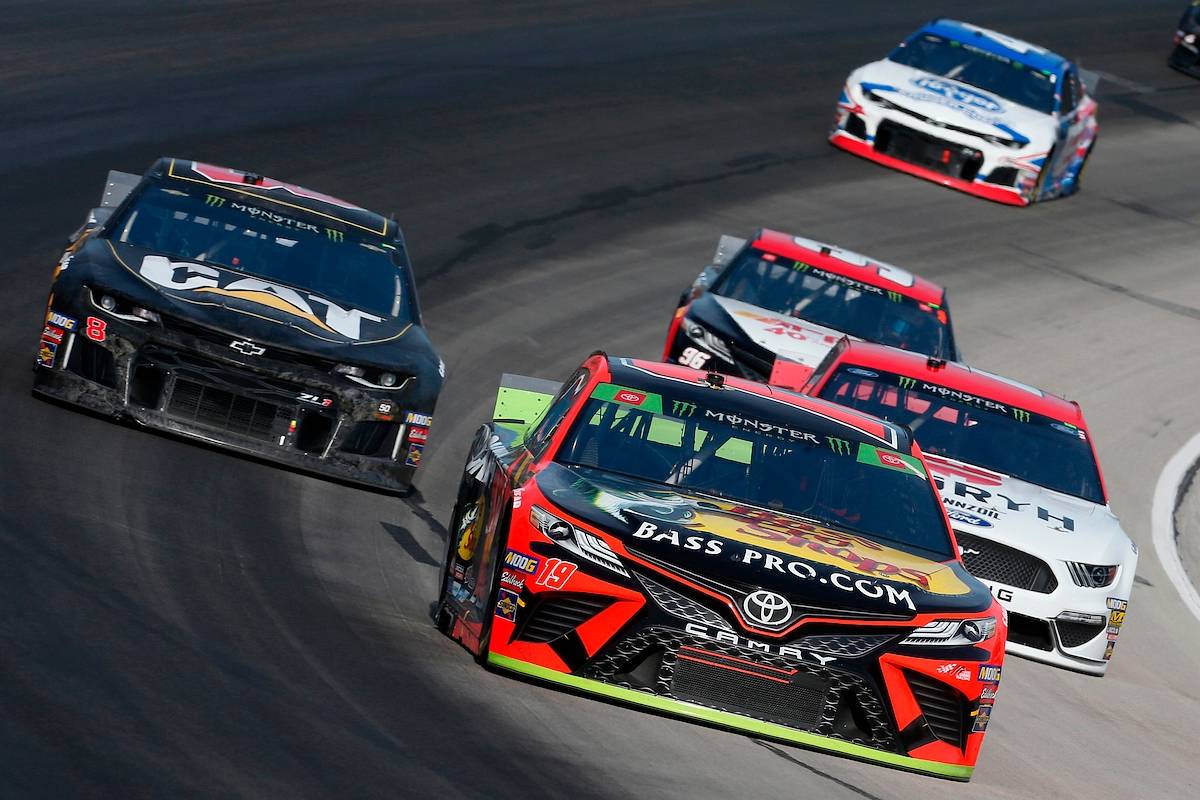
Factors Affecting Velocity
- Track type: Superspeedways (over 2 miles) enable higher speeds compared to shorter ovals or road courses.
- Safety rules: Engine restrictor plates (and current tapered spacers) cap speeds; wind resistance and drafting also impact top-end performance.
Overall, NASCAR vehicles demonstrate high-speed capability, but deliberate limitations ensure race speeds remain manageable under controlled conditions.