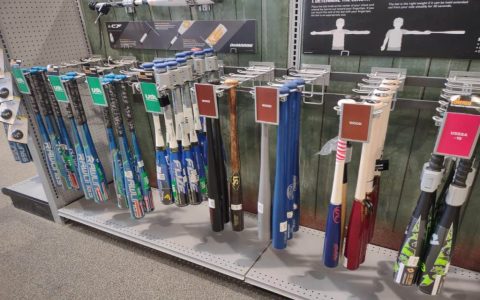
Major League Baseball (MLB) players exclusively use wood bats, but amateur players widely use wood, alloy, and composite bats. Costs vary significantly based on material, quality, brand, and intended user level.
Professional Wood Bat Costs
MLB players primarily use custom-made bats from maple, ash, or birch wood. While exact MLB contract prices are private, high-grade pro-level wood bats generally fall within these ranges:
- Single Bat (Retail Equivalent): $70 - $150+
- Maple: Typically the most expensive option ($80-$150+), prized for its hardness and durability.
- Birch: Offers a blend of ash's flexibility and maple's hardness ($70-$120+).
- Ash: Traditionally popular, generally less expensive than maple ($60-$100+), known for good flex and feel.
Critical Note: MLB players receive bats made to exacting specifications (turn models) and quality control far beyond retail. They don't pay retail prices; bats are supplied via endorsement contracts or team clubhouse purchases at negotiated rates.
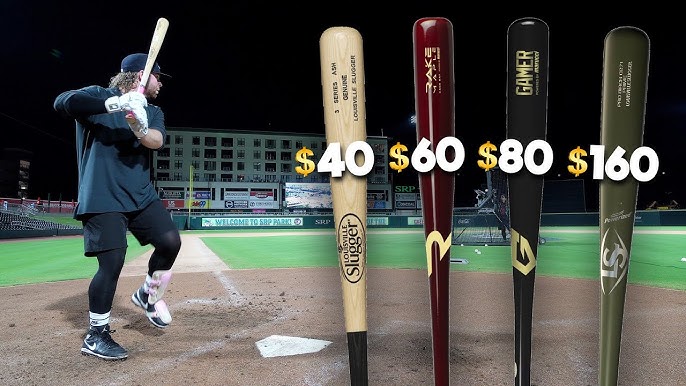
Amateur Wood Bat Costs
Non-pro wood bats for amateur leagues (high school, college, adult leagues) are considerably less expensive:
- Entry-Level Wood: $20 - $40
- Mid-Range Wood: $40 - $80
- High-End (Pro Stock Similar): $80 - $120
Alloy (Metal) & Composite Bat Costs
Alloy bats, primarily aluminum or scandium-aluminum blends, and composite or composite alloy hybrids dominate the amateur market. They represent the most common purchase:
- Youth Alloys: $50 - $100
- Entry-Level Alloys: $80 - $150
- Mid-Range Alloys/Composites: $150 - $300
- High-End Alloys/Composites: $250 - $400+ (Top BBCOR or USA Baseball models)
True composite bats (carbon fiber, fiberglass) typically cost more than alloy bats due to complex manufacturing processes. High-end "composite handle/alloy barrel" hybrids also command premium prices.
Key Considerations Affecting Price
- Material Quality: Higher-grade wood, scandium alloys, or advanced composites increase cost significantly.
- Brand: Major brands generally cost more.
- Intended League/Age Group: BBCOR certified bats (high school/college) cost more than youth or adult league bats.
- Technology: Multi-piece construction, vibration dampening systems, proprietary barrel designs add cost.
- Endorsements: Models associated with star players often carry a price premium.