
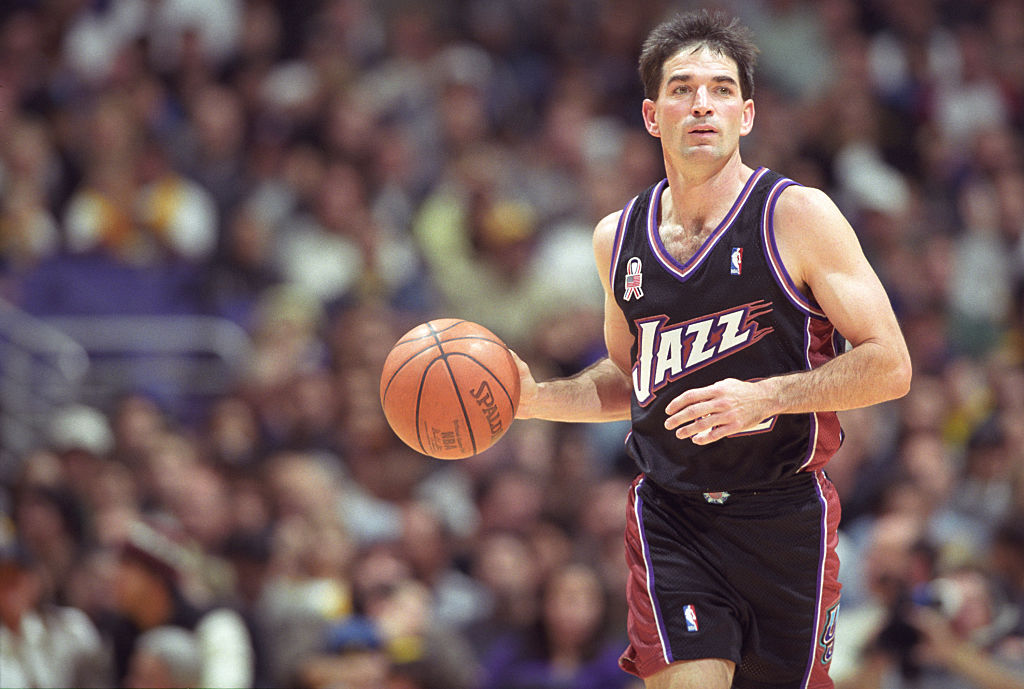
John Stockton, a legendary NBA point guard best known for his time with the Utah Jazz, has accumulated an estimated net worth of approximately $45 million. While his NBA career provided a solid financial foundation—earning him around $50 million in career salaries adjusted for inflation—the lion's share of his wealth stems from astute post-retirement strategies. Unlike many athletes, Stockton prioritized sustainability and diversification over flashy expenditures, enabling him to build a lasting fortune. Below, we explore the key secrets behind his financial success after hanging up his jersey.
Post-Career Ventures and Income Streams
Stockton leveraged his disciplined mindset to transition smoothly into ventures beyond basketball, focusing on low-risk, high-impact opportunities.
- Coaching and Mentorship: He served as an assistant coach at Montana State University briefly, earning modest income while nurturing young talent, a role aligned with his quiet leadership style.
- Public Speaking and Appearances: Capitalizing on his Hall of Fame status, Stockton frequently appeared at sports camps, corporate events, and charity functions, generating significant fees without overextending himself.
Investment Strategies for Long-Term Growth
Stockton's investment philosophy emphasizes prudence and diversification, a core secret to his wealth accumulation.
- Real Estate Holdings: He invested wisely in residential and commercial properties across the Western U.S., benefiting from steady rental income and appreciation without speculative risks.
- Equities and Bonds: A portfolio anchored in blue-chip stocks and low-yield bonds reflects his conservative approach, ensuring consistent returns and capital preservation over volatile markets.
- Private Business Interests: Quiet partnerships in local enterprises, such as small-scale manufacturing and retail, provided passive income while minimizing public exposure.
Branding and Endorsement Decisions
Despite his star power, Stockton selectively engaged in endorsements to avoid saturation, maintaining his net worth integrity.
- Low-Key Brand Collaborations: He accepted deals only with reputable, long-term partners like athletic equipment firms and regional brands, preferring authenticity over high-profile campaigns to secure reliable royalties.
- Media Contributions: Occasional TV analyst roles and documentaries supplemented his income, allowing him to monetize his expertise without compromising his private lifestyle.
Ultimately, Stockton's fortune stems from disciplined spending, strategic silence in public deals, and a diversified asset base, proving that methodical planning post-NBA can yield substantial, enduring wealth.