
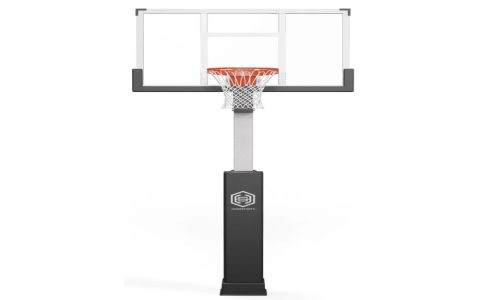
The rim height in the NBA, and throughout organized basketball globally, is standardized at 10 feet (approximately 3.048 meters) from the top edge of the rim to the playing surface directly below it.
Key Facts About NBA Rim Height
- Universal Standard: This 10-foot height is mandatory for all NBA games, facilities (practice and official), and is identical to the standard set by FIBA (International Basketball Federation) and all major governing bodies (NCAA, high school, youth leagues above certain age groups).
- Consistent Enforcement: NBA regulations require precise measurement and maintenance of this height for every basket on the court. There are no exceptions or variations during gameplay.
- Core Physical Constant: This fixed dimension significantly shapes gameplay, influencing shooting arcs, dunking ability, shot-blocking, and defensive strategies.
Origin and Rationale
The 10-foot height originates directly from Dr. James Naismith's invention of basketball in 1891. He attached peach baskets to the lower railing of a running track balcony at the YMCA in Springfield, Massachusetts, which happened to be approximately 10 feet high. This specific height became entrenched in the sport's foundational rules. Beyond history, it persists because it offers an optimal challenge for players with average adult height, enabling spectacular dunks for elite athletes while remaining a formidable barrier for scoring, ensuring competitive balance.
The consistency of the 10-foot rim across all levels and decades is fundamental to the sport's physics, skill development, and comparative performance metrics.