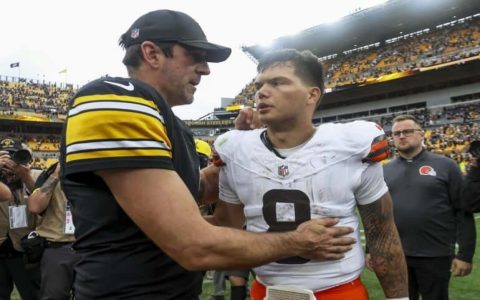

Analyzing NFL rosters by age offers valuable, though incomplete, insights into playoff readiness. Youth brings athleticism and health, while experience provides poise under pressure. Success often stems from a strategic blend.
Young Rosters: Upside & Volatility
Teams dominated by younger players exhibit distinct characteristics:
- Physical Advantage: Generally faster, more durable, better equipped to handle the physical grind of a long season and playoffs.
- High Ceiling: Young stars on rookie contracts provide tremendous value, allowing for better talent distribution across the roster.
- Inconsistency Risk: Lack of experience can lead to critical mistakes in high-pressure playoff situations. Playoff football often demands strategic execution over pure athleticism.
- Development Curve: Teams reliant on young QBs or key defenders may peak later in the season or next year.
Veteran Rosters: Savvy & Injury Concerns
Rosters leaning towards veterans carry their own pros and cons:

- Playoff IQ: Proven veterans understand playoff intensity, manage games better, and make fewer mental errors. Leadership is invaluable.
- Execution Under Pressure: Experience often translates to superior situational football execution late in close games.
- Durability Questions: Older players are statistically more prone to injury, and the cumulative season wear-and-tear impacts performance. Depth is crucial.
- Potential Decline: Some veterans may be past their athletic peak, potentially limiting scheme versatility.
Key Positions & Age Impact
- Quarterback: Prime is typically late 20s to early 30s. Experience is paramount for playoff success. Young QBs with elite talent can overcome this.
- Offensive Line: Continuity and experience often trump pure youth. Veteran units communicate better and handle complex blitz packages.
- Pass Rushers: Elite athleticism (often younger) is key, but savvy veterans possess refined technique. Peak blend is ideal.
- Secondary: Cornerbacks rely heavily on speed/athleticism (often younger), while safety play benefits greatly from experience and communication.
Assessing Playoff Readiness: Beyond Average Age
Don't rely solely on average age. Focus on:
- Core Contribution Age: How old are the top 10-15 impact players? Their age profile matters more than the 53rd player.
- Key Positional Balance: QB age, O-line experience, pass rusher effectiveness (regardless of age).
- Health Trends: Is the core relatively healthy entering January?
- Team Composition Strategy: Is the young core maturing together? Are key veterans brought in strategically to fill gaps?
Conclusion: The most playoff-ready teams often feature a strategic mix of experienced, high-IQ veterans at critical leadership positions (QB, O-line, key defenders) combined with ascending, athletic young talent, particularly at premium positions (EDGE, CB, WR). Prioritize evaluating the age and health of the foundational players. Youthful talent is essential, but playoff success frequently requires the proven composure that experienced veterans provide.