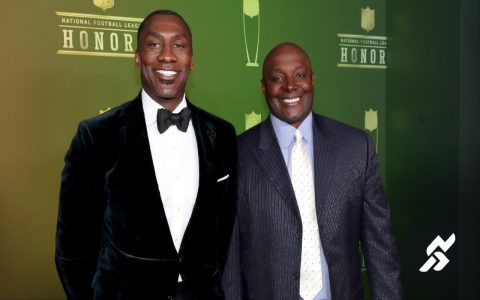
Sterling Sharpe, a dominant wide receiver for the Green Bay Packers, was forced to retire from the NFL in 1994 at age 29 due to a serious neck injury. The primary condition was cervical spinal stenosis, a narrowing of the spinal canal that compresses nerves.
The Injury Mechanism
During a preseason game on August 20, 1994, against the Philadelphia Eagles, Sharpe suffered a helmet-to-helmet collision. This impact exacerbated his pre-existing spinal stenosis, causing severe nerve damage and instability in his cervical vertebrae. Immediate symptoms included numbness, weakness, and loss of motor function.
Medical Diagnosis and Risks
Specialists identified spinal stenosis as a degenerative condition that Sharpe had developed over time, but the acute trauma intensified it. Continued physical contact posed a high risk of paralysis or life-threatening spinal cord injury. Doctors emphasized that any further hits could lead to permanent disability.
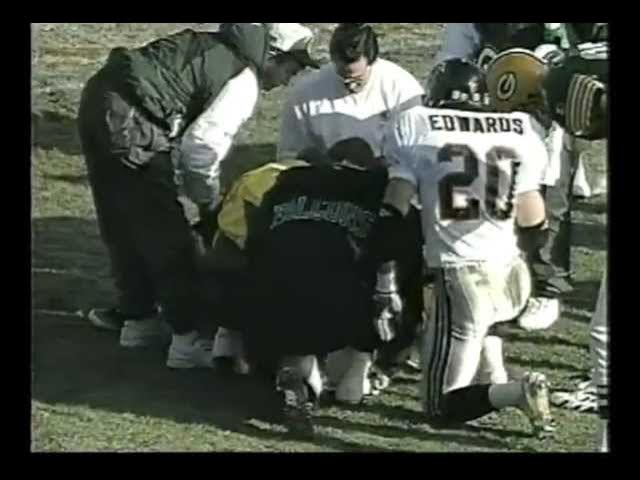
Career-Ending Decision
Given the medical prognosis, Sharpe chose retirement over playing. Key factors included:
- Irreversible Damage: Nerve compression could worsen with repetitive stress.
- Safety Protocols: The NFL's lack of advanced spinal protection at the time made a return unsafe.
- Long-Term Health: Prioritizing quality of life over continuing his football career.
Sharpe's case remains a critical example of how spinal injuries impact athletes in contact sports.