

Pitching Outs: An Overview
In baseball, pitchers aim to record outs to end innings and prevent runs. Outs are classified based on how the batter is retired, with strikeouts and groundouts being fundamental methods that impact game strategy and pitcher evaluation.
What is a Strikeout?
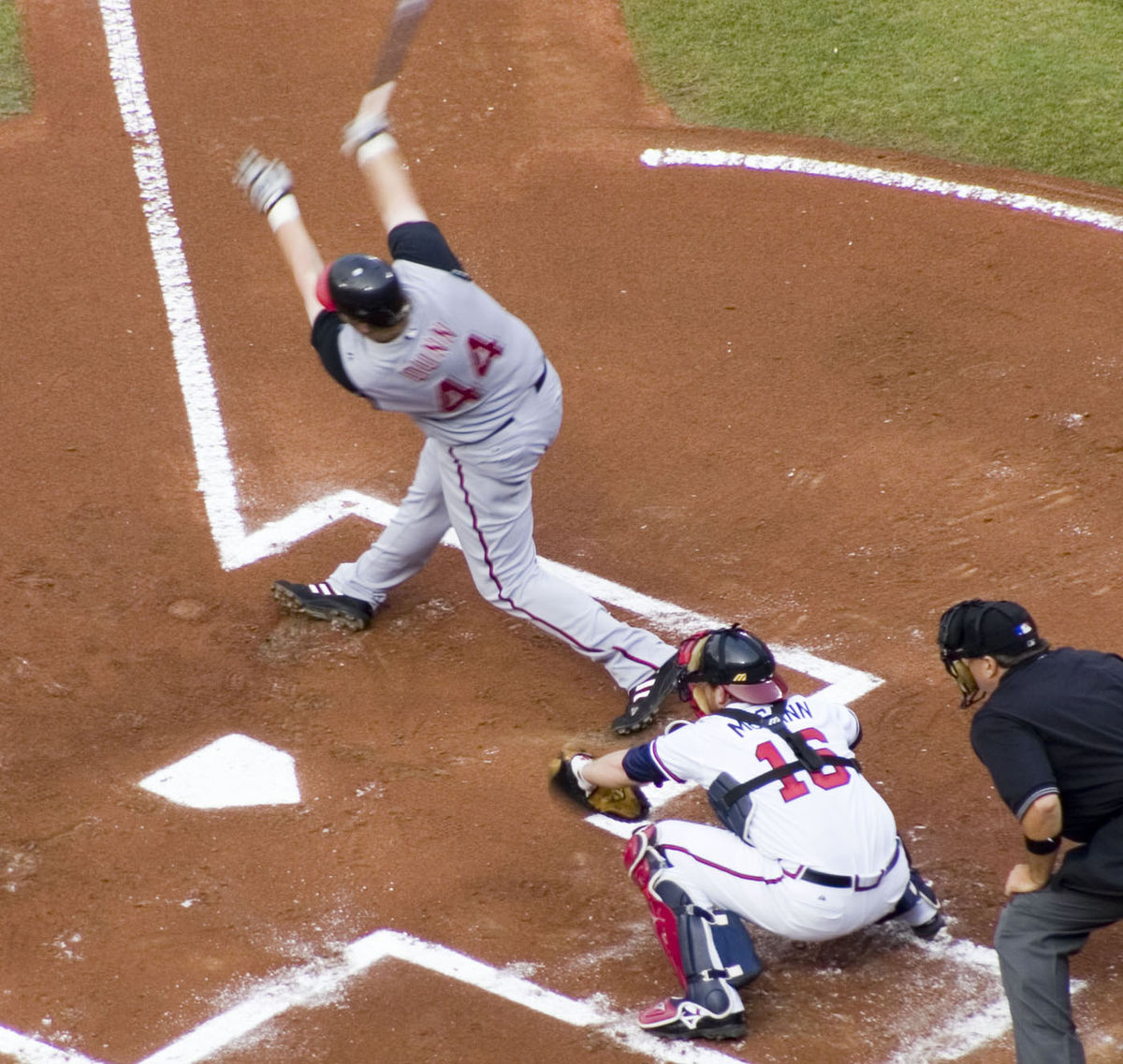
A strikeout occurs when a pitcher throws three strikes to a batter within a plate appearance, with the batter failing to hit the ball effectively. This results in an out without the ball being put into play, minimizing defensive risk.
- Mechanism: Strikes are accumulated via swings and misses, called strikes by the umpire, or foul balls under specific conditions (e.g., after two strikes).
- Role in Pitching: Pitchers achieve this by using high-velocity fastballs, deceptive breaking balls, or pinpoint control to induce swings or frozen looks.
What is a Groundout?
A groundout happens when a batter hits a ball on the ground that is fielded by an infielder, leading to an out at first base or another base through a force play. This relies on defensive execution and is common in pitch-to-contact strategies.
- Mechanism: The batter makes contact, but the ball travels quickly to infielders who execute a throw-out before the runner reaches base.
- Role in Pitching: Pitchers often induce groundouts with sinking fastballs or off-speed pitches that generate low trajectories, prioritizing efficiency over strikeouts to conserve pitch counts.
Significance for Pitchers
Strikeouts and groundouts carry distinct implications for pitcher performance and team defense.
- Strikeout Advantages: Reduces reliance on defense and eliminates the chance of hits, errors, or extra-base plays, making it crucial for high-leverage situations. Statistically, high strikeout rates (e.g., K/9) correlate with elite pitchers, as they directly control outcomes.
- Groundout Benefits: Conserves pitches and accelerates inning progression, ideal for groundball pitchers aiming for quick outs. However, it exposes pitchers to defensive vulnerabilities, such as errors or slow reactions, potentially increasing opponent scoring opportunities.
Overall Impact: Evaluating outs helps assess pitcher effectiveness; high strikeout totals often signal dominance, while groundout efficiency supports durability and situational management. Teams balance these approaches based on pitcher skills, ballpark factors, and game context to optimize run prevention.